In partnership with

Welcome back to Daily Zaps, your regularly-scheduled dose of AI news ⚡
Here’s what we got for ya today:
China’s OpenClaw boom
Perplexity pitches a more secure OpenClaw
Meta delays Avocado debut
End of computer programming
Let’s get right into it!
AI AGENTS
China’s OpenClaw adoption surges

China is rapidly adopting OpenClaw, an open-source AI agent that can autonomously perform tasks like sending emails, scheduling meetings, and making reservations. Major Chinese tech companies including Tencent, ByteDance, and Zhipu AI are launching tools and simplified versions of the software to make it easier for consumers to use, helping drive usage in China beyond the U.S. Companies are hosting installation events, offering paid setup support, and integrating the agent into popular platforms like WeChat.
The surge is also boosting demand for Chinese AI models, which are becoming competitive with U.S. systems at lower cost. Local governments are encouraging development around the technology with subsidies and funding, while startups and developers see it enabling “one-person companies” powered by AI. Despite security concerns, OpenClaw’s popularity is spreading quickly and is being compared to earlier major AI breakthroughs like ChatGPT.
GOVERNMENT
Perplexity pitches a more secure OpenClaw

Perplexity announced new AI agent tools at its first developer conference, including “Personal Computer,” software that turns a dedicated device like a Mac mini into a locally controlled AI system capable of accessing files and apps to complete tasks. The company says this setup is more secure than similar tools such as OpenClaw because user actions must be confirmed and logged with an audit trail.
Perplexity also expanded its cloud-based “Perplexity Computer” agent with enterprise security features, compliance controls, single sign-on, and mobile support. By offering both local and cloud AI agents, Perplexity aims to give users a reason to pay for its service even though it does not develop its own frontier AI models.
The $4 Billion Problem Hiding in Nearly Every Fast-Food Location

You show up to your favorite fast-food restaurant for a quick meal. But the line is too long, and you’re starving. So you bail.
You’re not alone. 93% of monthly fast-food visitors in America say their top frustration is long lines. And while you miss out on chicken nuggets and fries, restaurant owners lose significant revenue they can’t afford to miss.
So brands like White Castle use Miso Robotics’ AI-powered kitchen restaurant robots to run their fry stations, keeping kitchen operations smooth, workers safe, and customers happy.
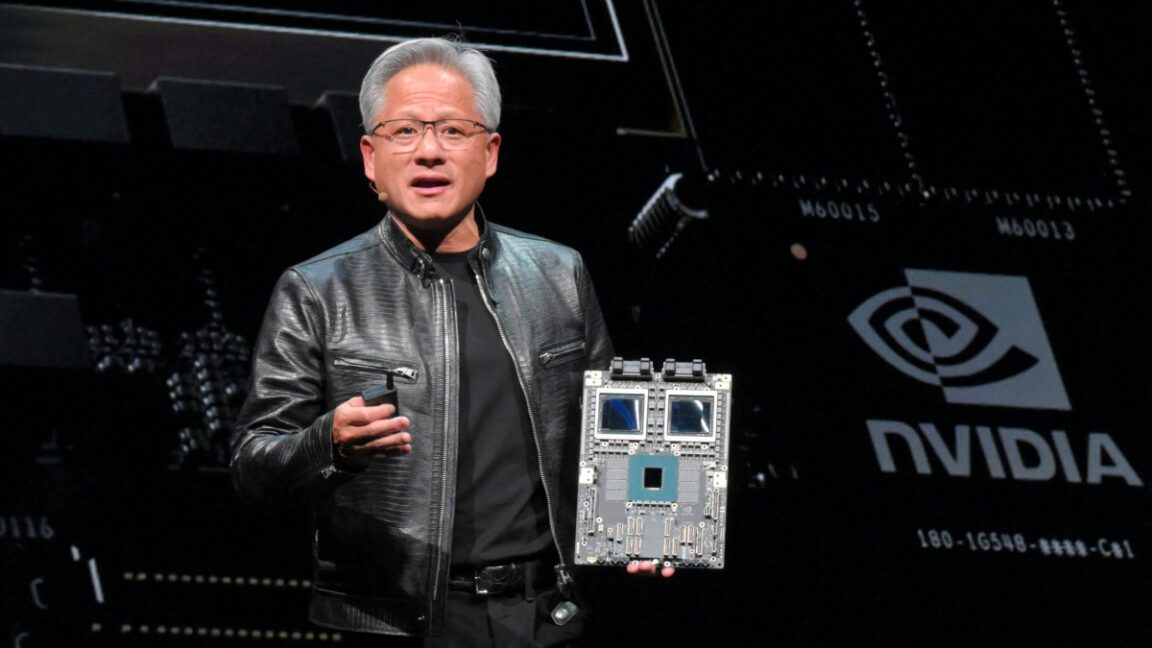
Aided by a collaboration with NVIDIA, Miso’s AI-powered Flippy Fry Station robot works 2X faster than average fry cooks. That means operators serve more customers and unlock up to 3X more profits per location. And that means much shorter lines for you.
This is a paid advertisement for Miso Robotics’ Regulation A offering. Please read the offering circular at invest.misorobotics.com.
BIG TECH
Meta delays Avocado debut

Meta’s next major artificial intelligence model, code-named Avocado, has been delayed until at least May after internal testing showed it lagging behind leading models from competitors such as Google, OpenAI, and Anthropic in reasoning, coding, and writing tasks. Although Avocado performs better than Meta’s previous model and surpassed Google’s Gemini 2.5, it still falls short of newer systems like Gemini 3.0.
The delay is notable because Mark Zuckerberg has heavily invested in AI, committing billions to researchers, infrastructure, and data centers as part of Meta’s push to lead the industry. The company has even discussed temporarily licensing Google’s Gemini to power some products while it improves its own model. Despite the setback, Meta leadership says the upcoming model will demonstrate progress and expects rapid improvements as the company continues developing future AI systems.
CODING ASSISTANTS
End of computer programming

AI coding tools like Anthropic’s Claude Code are rapidly transforming software development by writing most of the code while human developers guide the process with instructions, review results, and design overall systems. Developers report massive productivity gains, sometimes completing tasks in minutes that once took days, and startups are building products far faster by relying heavily on AI agents. In large companies with complex legacy systems, the productivity boost is more modest but still significant, helping engineers analyze code, automate testing, and fix problems quickly.
The shift is turning programmers from hands-on coders into architects who describe goals and supervise AI-generated work, though concerns remain about job prospects for junior developers, declining coding skills, and the long-term impact on the profession. At the same time, AI is lowering barriers so non-programmers can build simple software themselves, potentially expanding the number of people creating software even as the nature of programming work changes.
In case you’re interested — we’ve got hundreds of cool AI tools listed over at the Daily Zaps Tool Hub.
If you have any cool tools to share, feel free to submit them or get in touch with us by replying to this email.